

If you’ve got land here in the mountains that you’re ready to sell, there are a few key steps that can help you attract the right buyers, sell faster, and avoid surprises down the road.
At Freestone Properties, we’ve helped hundreds of clients sell land across Buncombe, Henderson, Madison, and surrounding counties. From steep mountain plots to family farms and tucked-away lots, we’ve seen it and sold it all. We know how buyers think, what appraisers look for, and what makes a piece of land stand out.
Below, we’ve broken down the process into seven steps to help you prepare your property for a smooth, successful sale.
1. Understand the Value of Your Land
Setting the right price starts with knowing your land’s true value. In the mountains, every property has many factors playing into pricing. Two parcels might have the same acreage, but factors like road access, utilities, views, topography, and proximity to downtown or other amenities can make a world of difference. Sales comps or comparable properties will also be considered; but in many cases, even nearby properties don’t provide an apples-to-apples comparison.
Getting a Land Appraisal or Comparative Market Analysis (CMA)
It’s well worth getting a professional land appraisal or CMA before listing. A certified land appraiser will evaluate the property size, topography, access, zoning, and comparable sales in the area. Demand for land in WNC varies depending on location, features, and its intended purpose (residential or commercial). Your land might also offer opportunities for farmland, hunting, or timber, depending on the property’s features. Every plot of land is different, and an appraisal can help you determine your land’s best potential uses and set a price accordingly, leading to a stronger offer and a faster sale. A Comparative Market Analysis (CMA) can be prepared by a licensed real estate agent, and this is a service we offer to all of our clients.
2. Get a Survey of the Land
One of the best investments you can make before listing is a current land survey. A survey shows the property’s exact boundaries and features (depending on the type of survey). Some buyers will need a land survey to get a loan, and if they’re planning to build on the land, the survey will help them site the house.
All in all, the land survey will give buyers confidence and help you prevent nightmare disputes with neighbors when you try to sell – take it from us: title issues and potential legal battles can come out of the woodwork in these situations. A new land survey can help address these issues before problems arise during the sale.
Types of Land Surveys
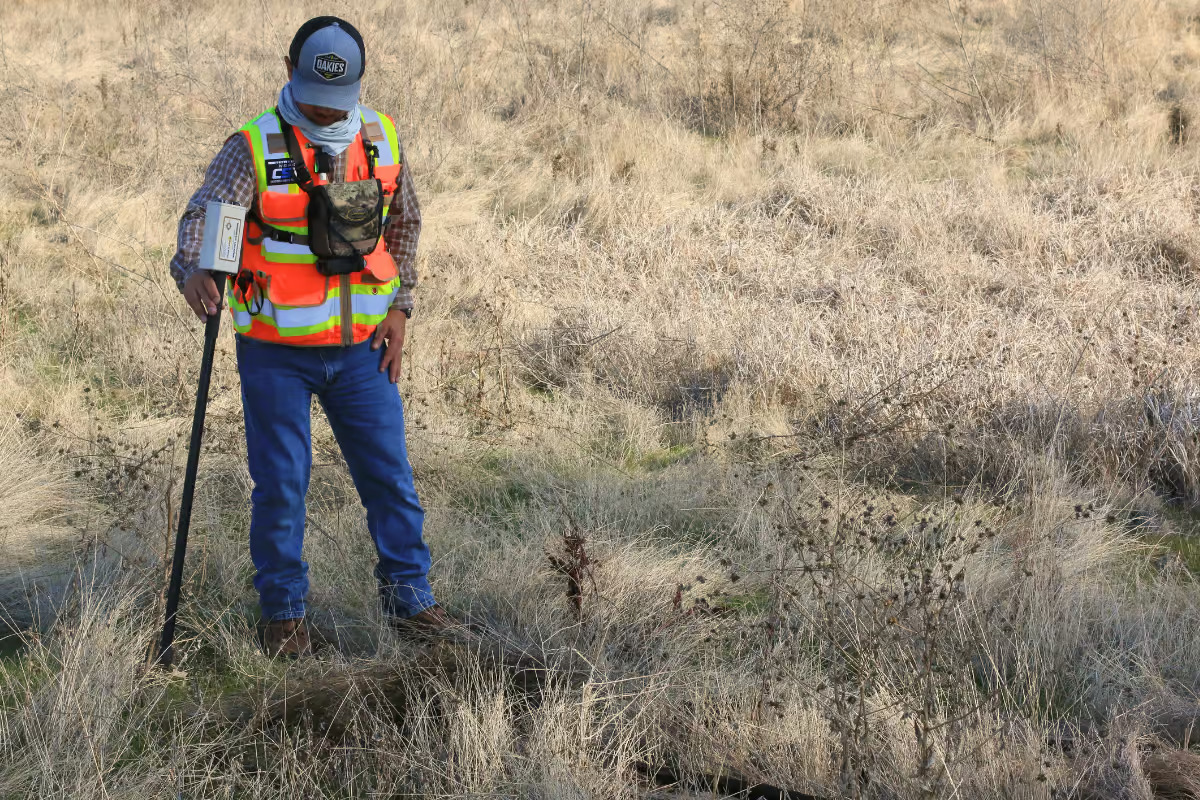
There are a few types of land surveys, each with its own specific focus, as detailed by Rocket Mortgage.
-
- Boundary Survey: Confirms the corners and boundary lines of a piece of land.
- Topographic Survey: Maps out natural and man-made features, which is extremely helpful for future builders and engineers.
- Mortgage or Zoning Survey: Ensures compliance with building and zoning requirements and confirms property ownership and any existing notes.
- ALTA/NSPS Survey: Often used to obtain title insurance.
- New Construction Survey: Necessary before any structures are built on the land. It notes elevation and topography as well as boundaries and suitability for utility installation. May also show setback lines and the proposed building footprint.
In North Carolina, buyers are not usually required to have a survey before closing; however, having one on hand will make your land much more marketable. If you’re working with a local surveyor, they can mark corners or flag access points to make showings easier. In cases where land financing is involved, a survey may be required by the buyer’s lender.
3. Consider Subdividing the Property
If you own a larger tract, you might increase your overall return by subdividing it into smaller lots. Smaller, build-ready lots often appeal to a broader range of buyers, especially if you’re selling directly to builders or to those seeking their first mountain home or investment property. This option is worth looking into if you want to sell more quickly and make a higher profit from your land.
Local Land Subdivision Rules in WNC
Subdivision rules vary by county and municipality. This partially comes down to zoning regulations (see the next section) and how many lots you want to create from the new subdivision.
Before beginning the subdivision process, it’s important to confirm the following:
-
- Whether your land fronts a public road or will need a private easement
- If it has public water/sewer or well/septic
- Minimum lot size under your county’s subdivision ordinance
Local surveyors and planning departments in your county serve as a great resource if you’re not sure where to start. We can also connect you with reliable professionals we’ve had the pleasure to partner with over the years.
4. Review Zoning and Land Use Regulations
Before you list, take time to review your land’s zoning designation, as it varies by county. Buyers will ask what they can build, and knowing that answer upfront gives your property an advantage and a clearer listing description.
Verify Current Zoning
Check with your county’s planning or zoning department to confirm how your property is zoned. If the zoning doesn’t match the most likely use for your buyers, there may be an option to apply for rezoning or a variance.
We regularly help clients navigate these details and can help you through the process. Knowing your zoning not only builds confidence in your buyer, but it also directly influences your asking price.
Determine the Number of New Lots
Check with your municipality’s planning or zoning department to see how many lots you can get out of your existing tract. Generally, new subdivisions are called “special,” “minor,” or “major.” There are different requirements for each type of subdivision.
5. Address Utilities and Easements
Naturally, utility access is one of the biggest questions buyers have about land in Western North Carolina. The more information you can provide up front, the better.
If your land already has power, water, or septic, make sure it’s clearly documented and prominently featured in your land’s marketing, as it’s a fantastic selling point and takes the burden off the buyer’s shoulders. If utilities are not in place, it’s helpful to note how far they are from the property or if connection permits have been approved.
To put it plainly, transparency with potential buyers is the best way to go.
Easements and Access Rights in Western North Carolina
An easement gives someone the right to use part of your property, often for road access, utilities, or shared driveways. Make sure any easements are clearly recorded in your deed. If there’s confusion about access, a title company or a local real estate attorney can help clarify it before listing. Again, the goal is to avoid hiccups down the road for a smooth sale.
6. Record New Surveys and Obtain New PINs
Should you decide to subdivide the land or if your survey results in new boundaries, you’ll need to record changes with your county’s Register of Deeds. Each new parcel will receive its own Parcel Identification Number (PIN).
Preparing the Deed for Sale
Before going under contract, confirm that your deed is up to date and that ownership is recorded correctly. If multiple living family members are listed, you will need all signatures to transfer the title. A real estate attorney or title company can ensure everything is in order, preventing last-minute changes or roadblocks at closing.
7. Legal Considerations Before Listing
Before putting your land on the market, take a moment to check any liens, unpaid property taxes, or environmental restrictions that could slow down the sale.
Environmental and Slope Concerns
In an effort to protect mountain views, forests, or watersheds, some Western NC properties are subject to steep slope or protected ridge zoning overlays. These overlays often impact higher elevation or view lots, and they impose regulations on building and subdividing.
Taxes and Liens
Make sure county property taxes are current and that there are no outstanding liens (or that those liens can be satisfied at closing). Also, tell your agent if there are any Rights of First Refusal on record. This step will save you time and help close the sale sooner.
To effectively market and sell land, you need to understand what is possible on the property to present it the right way. You also need to have a grasp on legal issues. When you work with Freestone Properties, you’re partnering with locals who know the area. From surveyors, appraisers, lawyers, builders, and lenders, we have the resources to help maximize the return on your land investment.