Thinking “I need to sell my house fast in Asheville, NC”? You’re not alone. Whether you’re relocating, downsizing, or facing a time crunch, selling quickly (and for top dollar) starts with a strategic plan. In this guide, we’ll walk you through the home selling process in North Carolina, including how to prepare your home, what to expect from a Realtor, and how to sell your house fast in Asheville without cutting corners.
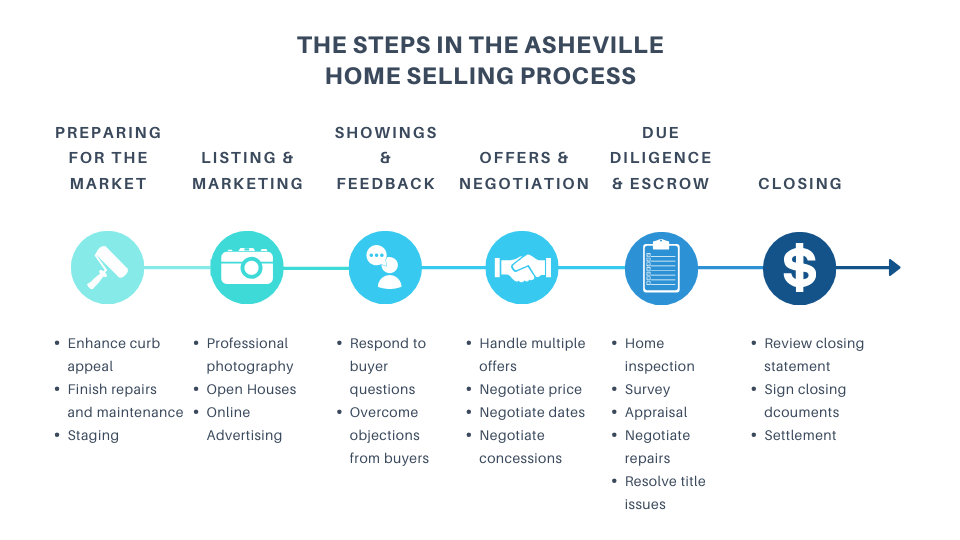
Here are the major steps to selling your house with a realtor in Asheville:
- Preparing your Home for the Market
- Listing and Marketing your Home
- Showing your Home and Responding to Feedback
- Offer Negotiation
- The Contract (Escrow) Period
- Closing
- Selling with Freestone Properties
Preparing Your Home for Full Market Value
Let’s start with the preliminary steps. To sell your house for full market value, it’s imperative to have your home ready for the market. This includes addressing necessary repairs and deferred maintenance, adding curb appeal, and even staging.
Repairs and Maintenance
Buyers may see flaws in your house as barriers keeping them from making an offer, so it’s important to make as many repairs as possible ahead of time. This can also help avoid further negotiations after a buyer’s home inspection. Hire a home inspector before listing your home and address any issues you can – especially things that the buyer might not see at first glance, such as electrical wiring or roofing defects. Once the repairs are made, the inspector can do a follow-up inspection and prepare a revised report that can be shared with buyers, giving them peace of mind that your home is a good investment.
Improving Curb Appeal
Wondering, “Why isn’t my home selling?” Consider its curb appeal. The first thing buyers will see upon arriving at your home is the outside, and if it doesn’t stand out, they’ll likely move on. By improving your home’s curb appeal, you can make a great first impression (both in person and in photographs). This can include:
- Trimming shrubs
- Keeping the lawn mowed
- Putting out mulch
- Planting flowers
- Tidying up lawn furniture and hiding toys
- Repainting the front door and/or siding
Home Staging
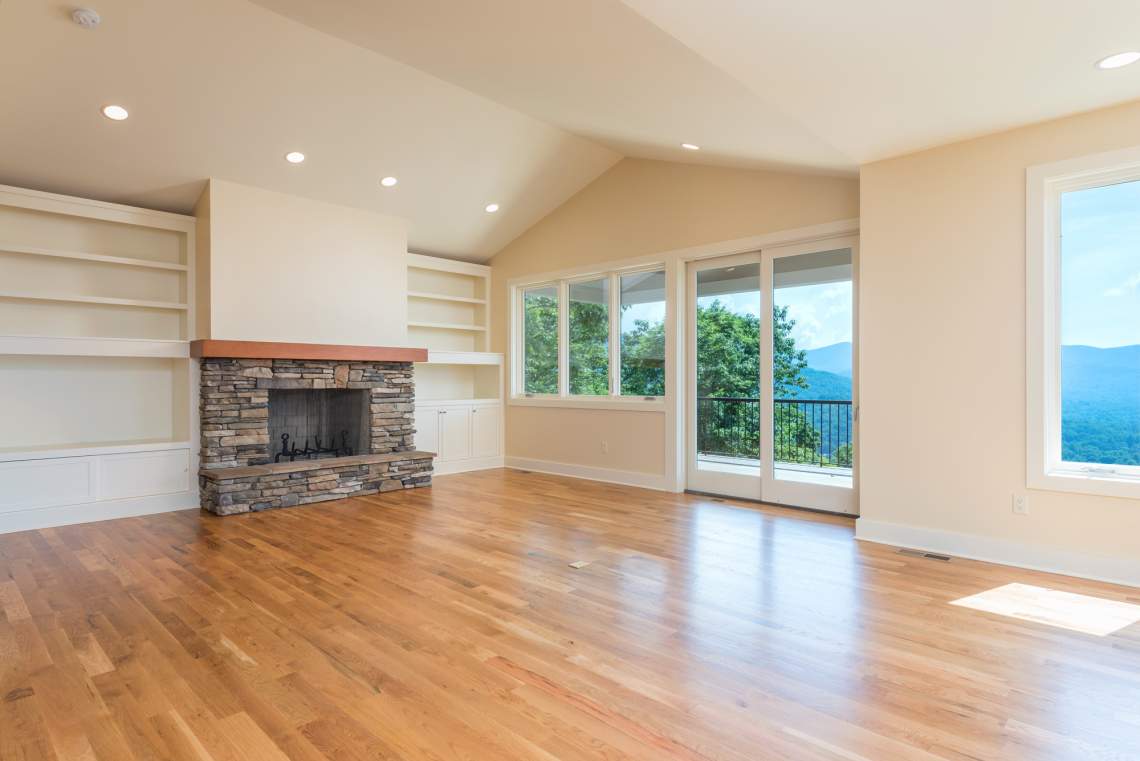
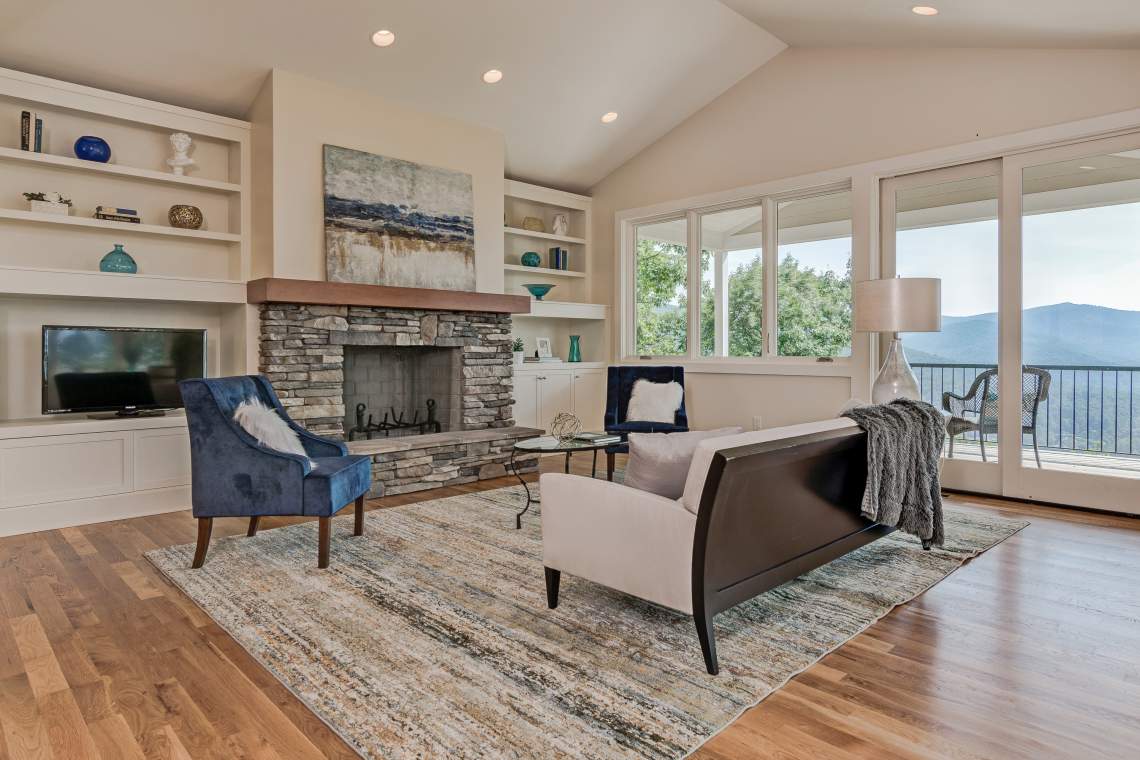
Staging is an often underutilized tool in selling a home. While it can get pricey, it can make a huge difference in helping a buyer envision your home as their own. If your home is in great condition, cosmetically updated, and priced well, consider staging it with furniture that shows off the house’s best features. We don’t usually recommend staging homes in need of major repairs, as this isn’t a good use of your time and money.
Are There Top Months to Sell in Asheville? Understanding Local Market Trends
As Asheville real estate experts, we’re well-acquainted with the best times to sell homes in the area.
- January and February are months with low listing inventory, but there’s still demand for homes from locals, so it can be a great time to list if your home is priced affordably. Winter is also a great time to sell land, because land is much easier to walk on when the leaves are down and there’s no poison ivy, briars, or ticks.
- March and April are heavy listing months, so expect competition if you list during this time. We recommend listing early in the spring so you beat the rush.
- June is a busy time for real estate in Asheville, as even more homes are listed and visitors from out of state come to tour homes. These can be retirees, families with kids on summer break, or those looking for vacation homes. It’s a prime time for luxury home sales.
- In July, many of the homes listed during the previous months move to contract and closing phases.
- September is a quieter month, though we often see an uptick in sales during peak leaf season: October. Some visitors who fall in love with the mountains in autumn decide to stay and will be shopping for a new home. This is always a busy month!
- November and December are surprisingly busy months for buying as well, despite the holiday season. Listings are slow during this time, and some homes are withdrawn from the market, so you’ll have less competition if you list in the late fall or early winter.
For more information, keep an eye on our regularly updated real estate trends page.
Listing and Marketing your Home
Choosing an Asheville Realtor
Most people only sell a home a few times in their lifetime, so choosing a listing agent is not something they do regularly. But considering your home is probably your biggest asset, it’s vitally important to choose a Realtor who is competent, trustworthy, and experienced.
One of the best ways to learn about real estate agents is to read online reviews. Google and Facebook are great resources for this, as well as reviews like these posted on our website.
You could also ask trusted friends and colleagues who have recently sold a home for feedback about their experience with their agent. Would they hire that same agent again? What did they like about their agent? Did their agent help them overcome specific challenges to getting their home sold?
Pricing Your Home
Choosing the right price for your home is crucial. If your home is priced correctly, it can sell quickly (and possibly even receive multiple offers). To ensure your home is priced correctly, turn to a Realtor for their expertise. Asheville listing agents will be familiar with the local market and will guide you through the process, using strategies like the following to choose the right price.
- Your agent should provide a Comparative Market Analysis (CMA), a report showing the sale prices of similar homes, ratios of sale prices to listing prices, and more helpful information that will inform your home’s listing price.
- Along with the CMA, it can be helpful to do research both online and in person to see what homes in your neighborhood are going for. This can help you avoid overpricing or underpricing your home.
- Understanding your home’s value can also aid in selecting the right price. An appraisal can provide a better picture of your home’s worth.
- Avoid the temptation to price your home based on non-market factors (such as debt you’ve accumulated that you want to pay off with your sale proceeds). Overpricing can drastically reduce the number of interested buyers and cause your home to sit on the market indefinitely.
- Stay aware of trends to ensure your price lines up with the current market. Lean on your Realtor for their insight, as they’ll likely be up to date with what types of homes are hot in your area.
Photography, Listing, and Marketing
Now that your home is ready for the market, you have chosen an agent, and the house is priced correctly, it’s time to begin marketing. Almost every marketing effort that agents do requires photography, so that’s the first step.
Real Estate Photography
High-quality photos are a must-have for a quick and satisfactory sale. While some cell phone cameras take crisp photos, only a trained photographer will know how to put your home in the best light (literally). It’s even been proven that hiring a professional real estate photographer can result in a higher sale price. Drone photography and virtual floorplans are other ways to showcase your property and entice buyers to schedule a showing.
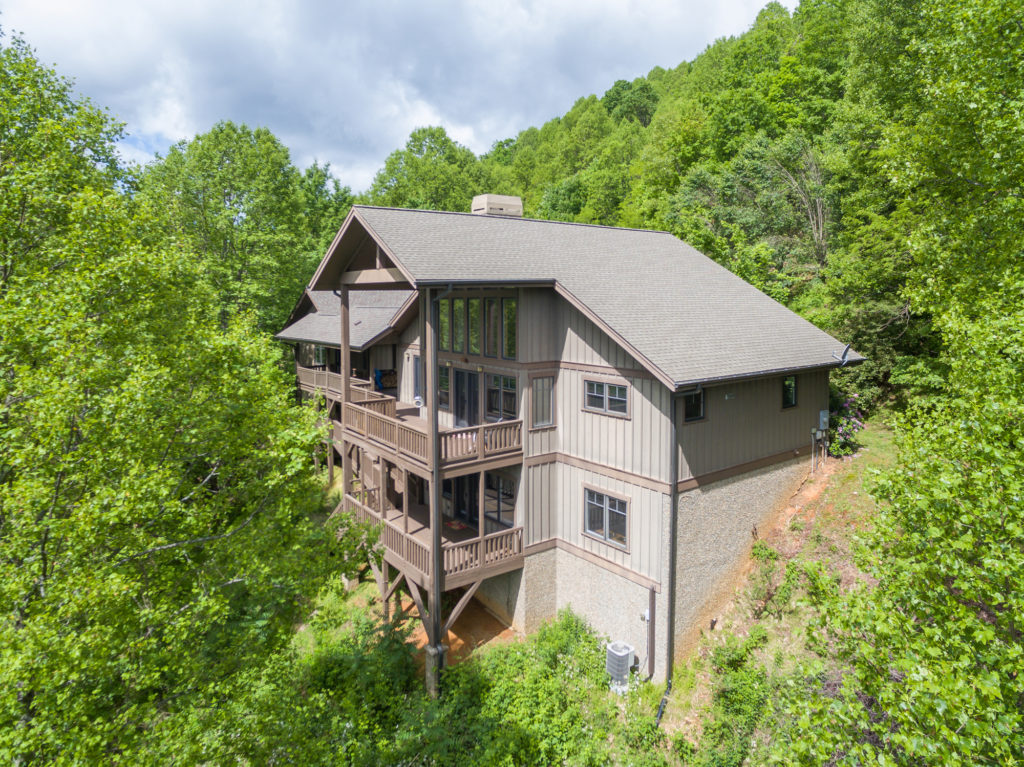
- This photo would have been impossible to take without a drone.

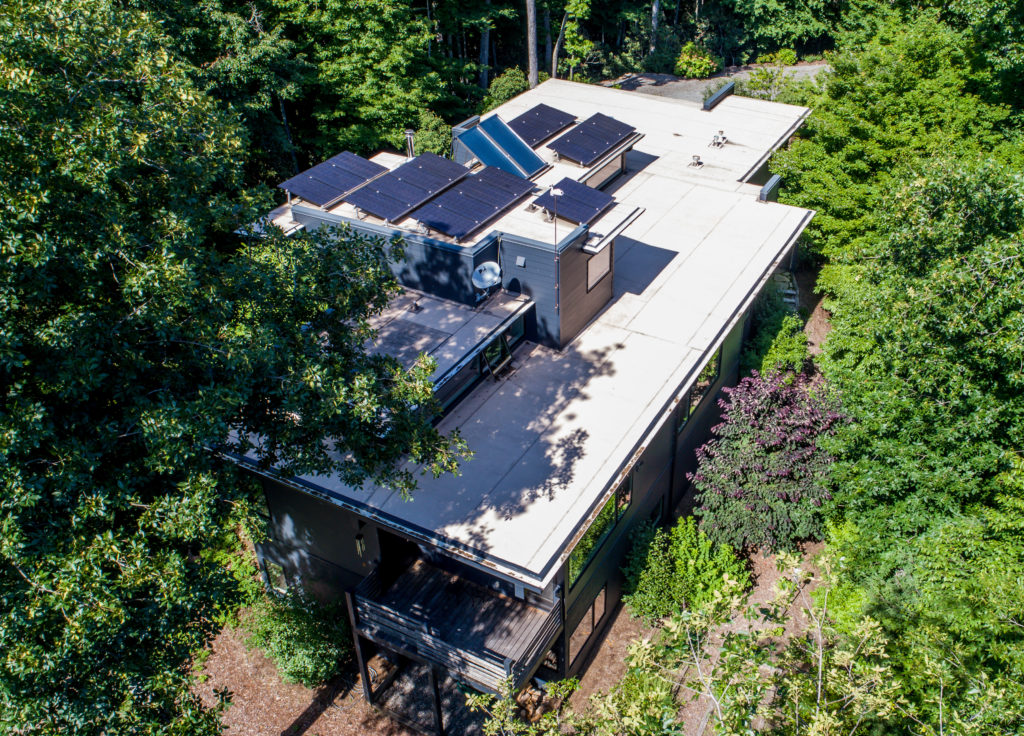
- Drones can also showcase specific selling features, such as the solar panels of this green home.
Open Houses
Once your home is on the market, it’s time to prepare for showings and open houses. There are two types of open houses that agents host: public and broker.
- Public open houses are open to anyone, and they are the most effective when held right after listing to generate buzz. However, these open houses aren’t as effective as they were before online listings became the go-to. They’re most effective in hot markets when multiple offers are expected. An open house held on the weekend the listing goes on the market gives multiple buyers a chance to tour the home and submit an offer.
- Broker open houses are held specifically to get the word out with local agents. These agents could recommend your home to buyers they know, leading to showings down the road.
As your home is visited by buyers and their agents, your listing agent should collect their feedback and pass it on to you. If there are small issues (such as minor price reductions or repairs), you can easily overcome them. Larger issues raised by buyers, such as those related to the home’s location, can’t be easily overcome; however, with patience and time, the right buyer will find your home.
Negotiating Offers in Asheville
Once your home has been shown to buyers, you’ll start seeing offers come in. A good listing agent will help you sell for the most favorable terms possible, while also finding common ground with the buyer to ensure a contract forms.
Negotiating an offer can take anywhere from a few minutes to several days. Your agent will guide you through this tricky process and navigate scenarios such as:
- Multiple Offers – If you have multiple offers on the table, you can set a deadline and call for “highest and best” offers from all buyers.
- Contingencies – A contingency is a condition set by the buyer that you must meet before the sale moves forward, often regarding repairs or financing. In North Carolina, our contracts have a Due Diligence period, as opposed to individual contingencies.
- Timeline – Key dates will be decided, and your agent will represent your interests as the timeline is set.
- Competition – If the market is a buyer’s market, your buyers may come in with aggressive pricing demands. Your agent will help you negotiate delicately yet firmly.
The North Carolina Real Estate Contract: Escrow, Due Diligence, and Earnest Money
The standard North Carolina contract used by Realtors is called the “Offer to Purchase and Contract.” What sets the NC contract apart from that of many other states is the North Carolina Due Diligence Period. During this period (usually around 3-4 weeks if financing is involved), the buyer can order inspections and an appraisal of the home, request that repairs be made, and even attempt to renegotiate terms of the contract. At any time during the period, the buyer can back out of the contract with no penalty, except the forfeiture of a Due Diligence Fee.
As compensation to the seller for this period of time, the parties can agree to a Due Diligence Fee, which is non-refundable but credited to the buyer at closing. This is in addition to the buyer’s Earnest Money Deposit, which is refundable during the Due Diligence Period.
It’s important to note that the only thing that changes at the end of Due Diligence is the buyer’s Earnest Money is no longer refundable. The buyer could still back out, but would lose not only the Due Diligence Fee, but the Earnest Money as well.
Preparing to Close
After the end of Due Diligence, the parties prepare to close the sale. For sellers, this typically means signing a few documents and moving out of the house. For buyers, they’ll need to move their closing funds to their closing attorney’s office. Depending on the law firm’s policies, this can be done by wire transfer or a certified check. If a mortgage is involved, the lender will use this time to send loan documents to the buyer’s closing attorney. Also, the closing statement is prepared for both parties to review prior to closing.
How much will my closing costs be?
The typical closing costs paid by the seller are as follows:
- Seller’s closing attorney fee. This is the fee to prepare a deed and other documents. This expense is much less than the buyer’s attorney fees.
- Excise tax paid to the State of North Carolina ($2 per $1000 of sale price).
- Real estate commissions.
- Prorated taxes if the tax bill for the year hasn’t been paid. If it has been paid, the seller will receive a prorated refund.
- Owners’ Association Dues (if applicable) if the association bill hasn’t been paid. If it has been paid, the seller will receive a prorated refund.
- Miscellaneous fees, such as wire fees to pay off the seller’s mortgage or to wire the seller’s proceeds.
Contact Us to Sell a Home in Asheville
At Freestone Properties, we know that hiring a listing agent is about far more than just getting your home into MLS. Your agent is your advocate and source of expertise through every step of the selling process, helping you aggressively market your home and sell it for the best terms.
As Asheville area experts with 60+ years combined experience, we balance experience with flexibility, using technology to nourish in-person relationships and stay updated on market trends. Thinking of selling? We’d love to discuss your property’s worth, selling costs, and potential improvements.