
Buncombe County Septic Permits: A Guide to Asheville Septic Permitting
If you’re buying land or planning to break ground in Buncombe County, understanding the septic permitting process is a necessary first step. Septic permits aren’t the most exciting part of the home-building process, but they are essential in protecting groundwater, public health, and long-term property value. In other words, it can be a headache that will become a migraine if not done correctly.
In Western North Carolina, many properties are not served by public sewer, which makes septic the only option. However, with this comes many questions about the permitting process: What type of permit is required? Will the property support a septic system? What’s the expected timeline of approvals…the list goes on.
Here, you’ll find a local’s comprehensive guide to walk you step-by-step through the septic permitting process in Buncombe County. We’ll cover permit types, site evaluations, application timelines, and how to look up existing septic permits so you can move forward with confidence.
Step-by-Step Guide to Septic Permits in Buncombe County
1. Determine the Permit Type You Need
There are two types of septic permits in Buncombe County. The right one depends on your timeline and the property’s end goal.
Authorization to Construct (For Building Immediately)
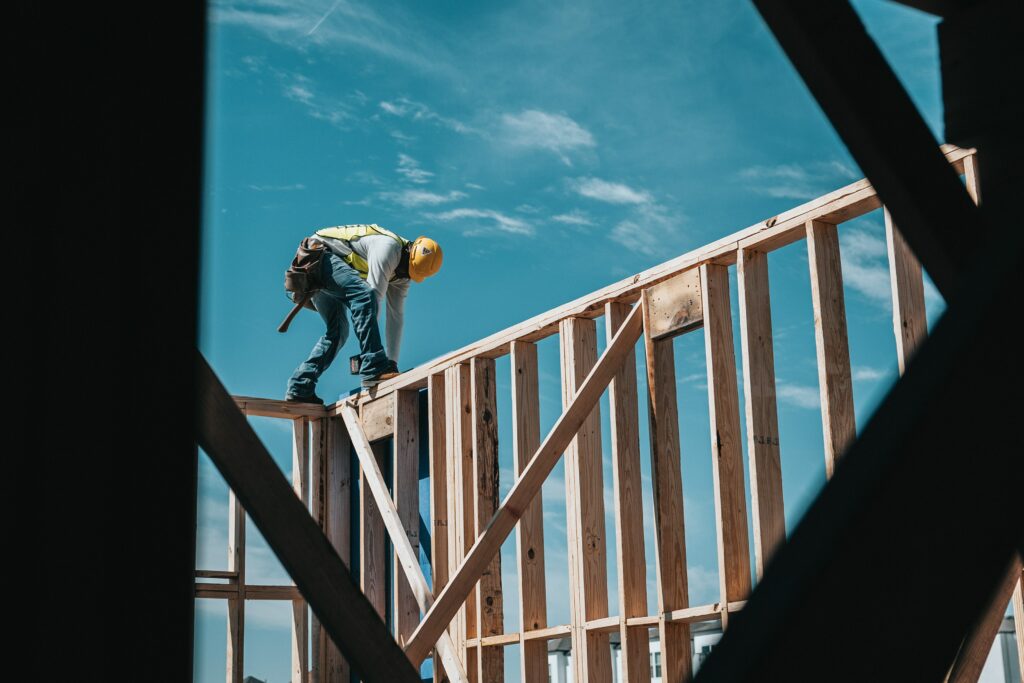
Before you begin new construction on your property, you will need to obtain a septic tank system permit.
If you plan to build right away, you need an Authorization to Construct before you can obtain a building permit for a new septic system.
This permit confirms that:
-
- The site has been evaluated and approved for a septic system
- The proposed system meets county and state health standards
- Construction of the septic system may legally proceed
This requires filing an application with the Buncombe County Department of Environmental Health and paying applicable fees. An environmental health specialist will then evaluate the site for suitability. Once the application is approved, the Authorization to Construct allows construction to proceed. You’re ready to break ground!
Improvement Permit (Evaluating Property for Future Construction)
An Improvement Permit is commonly used by owners or buyers who want to confirm that a property can support a septic system before building or buying the lot. This permit assures that the site is suitable for a septic system, even if construction is planned for the future.
This permit confirms that:
-
- The property is suitable for a septic system
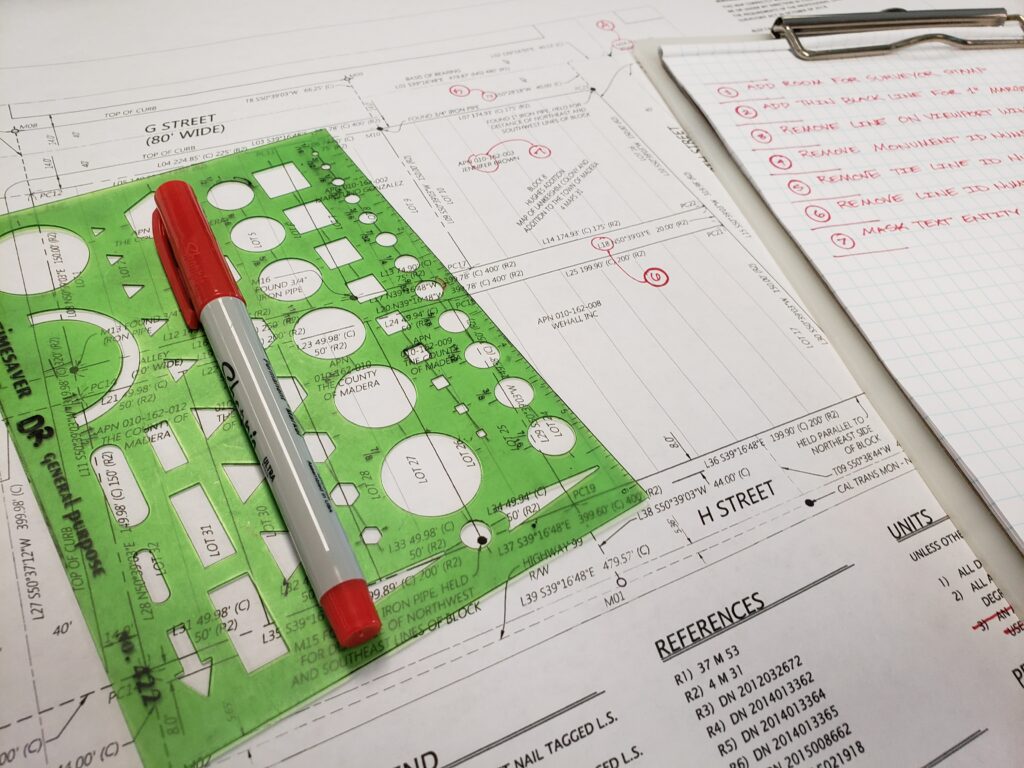
In Buncombe County, septic permits are typically valid for 5 years.
- The site meets current health and environmental requirements
- The approval remains valid even if construction is delayed
- Note: Improvement permits are typically valid for five years.
- The property is suitable for a septic system
2. Prepare Required Documentation
Before submitting your application, it will help to have all the information upfront. This can include
-
- Property parcel number and address
- Proposed system type
- Site plans or surveys
- Supporting reports from a licensed evaluator (if you plan to use one)
Buncombe County actually provides this instruction checklist for easy reference.
3. Submit Your Application and Fees
Applicants must submit the septic permit application, pay the necessary fees, and provide property details. File your septic permit application with the Buncombe County Department of Health (scroll to “Septic, Sewage, & Well”) and pay the applicable fees on that page.
4. Schedule a Site Evaluation: County vs. Private Licensed Evaluator
Once your application is submitted, a site evaluation is needed to determine whether the soil and terrain can support the septic system.
From here, property owners have two options:
County Environmental Health Specialist:
The county can assign an environmental health specialist to perform the evaluation. While this option is straightforward, you may run into longer wait times depending on the time of year.
Private Licensed Evaluator:
Many buyers choose a private evaluator because they are experts in different types of septic systems that might work better for specific property types, and may have a faster timeline than the county. Professionals you can hire include:
-
- Licensed soil scientist
- Licensed geologist
- Certified inspector
- Professional engineer with an Authorized Onsite Wastewater Evaluator (AOWE) permit
5. Receive Authorization
Once the buyer’s site passes the evaluation, they can move forward with the Improvement Permit confirmed. Builders can proceed with installation once an Authorization to Construct is issued.
Consider the hard part over! It’s all downhill from here.
How long does it take to get a septic permit?
Overall, the septic permitting timeline varies depending on the site’s complexity, the evaluator’s availability, and the county’s workload. In most cases, buyers can expect the process to take several weeks, including application submission, site evaluation, and administrative processing.
During busy seasons, timelines can extend two to three months. To minimize delays, we recommend starting early and working with experienced professionals.
Buncombe County Septic Lookup and Validity

Septic tank site evaluations may be performed by a licensed soil scientist or a licensed geologist to inspect the proposed site for suitable conditions.
Portal Link and Instructions
Buncombe County provides an online portal to apply for permits and look up existing septic and well permits. For more details on obtaining a septic tank permit in Buncombe County, including application forms, instructions, and fees, visit the Environmental Health department’s webpage.
To search for an existing permit, users need at least one of the following:
- Permit number
- Parcel number
- Property address
- Contractor name
Permit Validity: What does it mean?
Septic permits are typically valid for five years. If the system is not installed within that period, the permit expires. Keep this in mind when planning your timeline so that you don’t have to go through the process twice.
Note: Improvement permits may be valid for a longer period if accompanied by an engineered site plan showing the exact locations of the structure and septic system.
Tips for a Smooth Septic Permitting Process
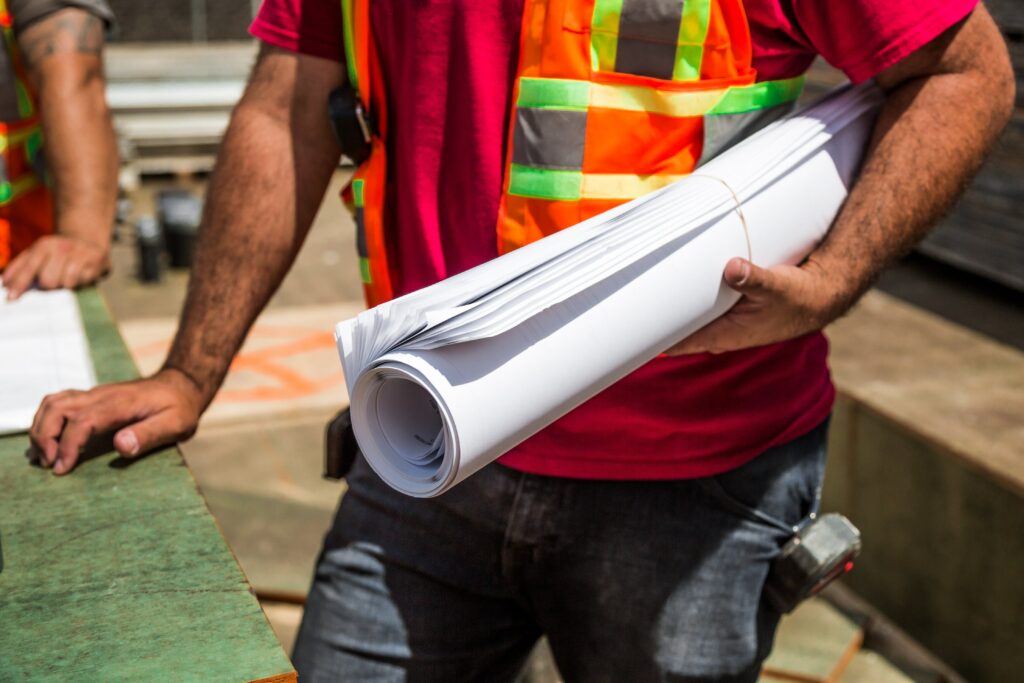
Hiring a soil scientist to help obtain a septic permit is highly recommended.
- Hire a Licensed Evaluator
A licensed soil scientist, geologist, or other authorized evaluator can help with the permit process. They bring experience with county requirements and can help navigate challenges during site evaluations. Check out current Certified Evaluators from the North Carolina Onsite Wastewater Contractor Inspection Certification Board.
- Prepare Your Site
Property owners should prepare their sites in accordance with the county-provided evaluation checklists. Clearing access and ensuring accurate site details can reduce delays and streamline the process.
- Start Early in the Buying Process
Depending on the time of year, the septic permitting process can be lengthy. You can reach out to the county directly to find out their current timeline, so you can adjust your timeline as needed.
- Work With Local Experts
Professionals who regularly work in mountainous Asheville and surrounding communities understand the nuances that come with the territory.
How Freestone Properties Can Help
At Freestone Properties, we don’t just help buyers and landowners throughout greater Western North Carolina get the land they want; we also see to it that the land becomes what they dreamed of. We see time and time again how the septic approval process can shape overall timelines and budgets. And we are well-connected to local evaluators you can trust.
Much like navigating the mountain terrain, it’s an adventure worth going on when you have a local leading the trek to the top.
If you’re considering buying land, evaluating a property, or preparing to build, our experienced team can help:
- Understand septic permitting requirements
- Connect you with trusted local evaluators
- Navigate your Due Diligence Period with confidence
You can also explore our current land listings in Asheville and the surrounding areas to find properties with great building potential.
Have any questions about septic permits or current land listings?
Reach out here to get your questions answered. We’re here to help guide you every step of the way.