
Asheville vacation homes have become a very popular type of investment property. With so many visitors coming to the Asheville area each year, rental homes are in high demand. Of course, demand is higher for homes in certain areas, within proximity to popular attractions, and with specific amenities. Buying a vacation home is a big investment, and it’s important to be aware of local investment property regulations before you start. We’ve collected our top tips for buying a rental property in Asheville, along with guidelines for navigating Asheville’s short-term rental laws.
Table of Contents
- Can I Rent Out a Vacation Home in WNC?
- Tips for Managing Your Rental Home from Afar
- FAQs for Asheville Investment Properties
Can I Rent Out a Vacation Home in WNC?
First things first: It is possible (and legal) to rent out a vacation home in Western North Carolina. Many people do this as a way to make money with their property when they aren’t personally visiting it (or at least offset some of the costs of ownership), while others buy investment properties specifically to rent them without any intention of visiting. If either of these scenarios sounds interesting to you, there are some important things to consider before investing in a short-term rental in the Asheville, NC market.
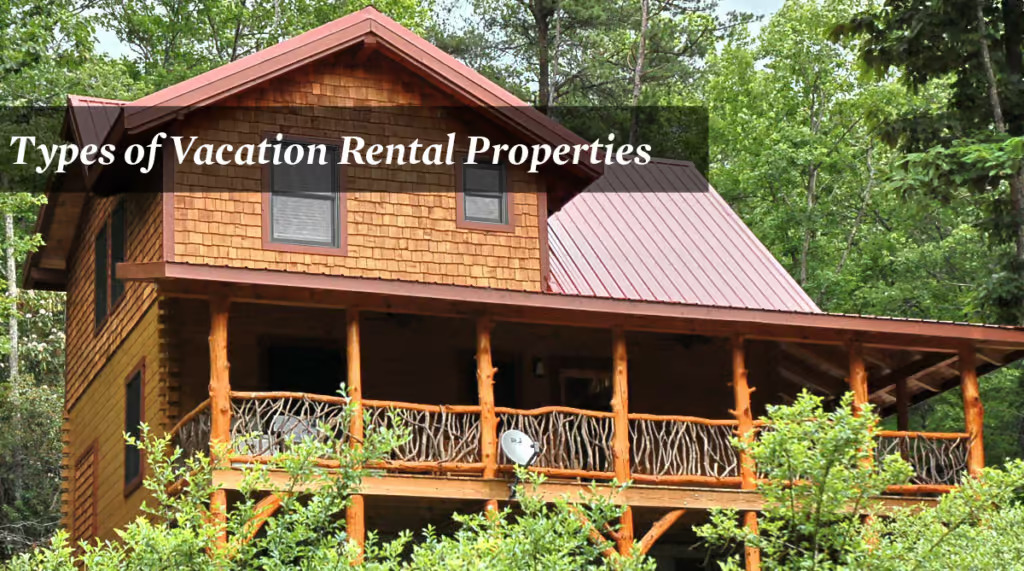
Types of Rentals
First, it’s important to differentiate between these types of rentals:
- Short-Term Vacation Rentals – Short-term vacation rentals are entire dwelling units rented for less than 30 nights. The owner does not live on the property. Short-term vacation rentals are also referred to as STVRs.
- Homestays – The key difference between a homestay and an STVR is that the homestay is owner-occupied. The owner may rent one to two bedrooms in the home for 30 days or less, as long as the owner lives in the home on a full-time, permanent basis.
What is the law for short-term rentals in NC?
Short-term rental laws in North Carolina vary by city and county. The City of Asheville has unique regulations based on the specifics of the rental, including:
- How long the renters stay – The length of the stay is usually the key factor in determining if a short-term rental is allowed. Homestays are allowed for 30 days or less. STVR are not allowed in the City of Asheville in most zoning districts. Buncombe County does not have this same rule. Other townships, such as Black Mountain and Montreat, also do not have this 30-day minimum requirement.
- Where the property is located – Homestays are allowed in residentially-zoned areas, while STVRs are only allowed in resort zoning districts. Some downtown Asheville condos are permitted as short-term rentals, as are units at the Residences at Biltmore.
- How much of the property is rented – Homestays are considered to be one to two bedrooms, while an STVR is the entire dwelling unit (apartment, condo, or house).
The City of Asheville restricted STVRs to resort zoning districts in 2018 due to increasing concern about affordable housing options, effectively prohibiting STVRs from the city altogether. This is because there are very few resort zoning districts in the city, and these zones are occupied by resorts like the Omni Grove Park Inn and Crowne Plaza Resort.
Outside of the city limits, STVRs are allowed in most parts of Buncombe County, though further regulations have been discussed. Since Helene, those discussions have mostly subsided. There can still be restrictions on things like the number of vacation cabins permitted on a particular property. It’s always worth investigating and checking with the applicable zoning department, especially if you’re considering a STVR compound with multiple units.
On top of this, within a neighborhood, there can be deed restrictions that can prohibit short-term rentals or require a minimum number of nights that a home can be used as a rental. Since this requires a more intimate knowledge of a neighborhood’s unique rules, let us help you determine if a particular subdivision allows investment homes to be used as vacation rentals.
Are Airbnbs allowed in Asheville, NC?
Yes, Airbnbs are allowed… but there are caveats to that statement. As mentioned above, STVRs are only allowed in resort zoning districts, making them nearly impossible to operate within city limits. However, homestays are allowed, which means that it is possible to operate a homestay as an Airbnb in Asheville. You will have to obtain a homestay permit from the City of Asheville to legally rent out rooms through Airbnb.
Financial and Tax Considerations for Rental Homes in NC
When you rent out your home, your tenants will pay state sales tax and local occupancy taxes in addition to your nightly rate.
State Sales Tax Rates
In North Carolina, the state sales tax is composed of a statewide 4.75% tax plus a variable tax rate based on the county. Buncombe County’s rate is 2.25%, leading to a total 7% tax charged on taxable items (which includes the “lease or rental of tangible personal property”, per the North Carolina Department of Revenue).
Occupancy Tax Rates
Occupancy tax rates vary by county. In Buncombe County, a 6% occupancy tax applies to the short-term rental of rooms or houses (including through sites such as Airbnb, VRBO, and similar websites).
Tax Returns for Rental Homeowners
You will be required to report the income generated from your rental home on your federal tax return. You may deduct expenses on your return, such as property tax, supplies, repair costs, mortgage insurance, and even marketing for your rental home – anything the IRS deems “appropriate” in the operation of your small business.
Tips for Maintaining Your Rental Home from Afar
If you don’t live in Asheville, you may feel intimidated by the thought of managing an Asheville rental home from afar. While long-distance rental management can offer some challenges, it can be a rewarding experience with some preparation and trusted local connections. Here are our tips:
1. Find Well-Reviewed Local Contractors
When it comes to cleaning, maintenance, and yard work (if applicable), you won’t have the option of taking care of it yourself. Do your research to find well-reviewed Asheville contractors that you can trust with these tasks.
2. Automate Tasks
Technology makes managing a vacation rental from afar a lot easier. If you choose to list your property on Airbnb or VRBO, tasks like collecting payments and requesting reviews will be a breeze.
3. Hire a Property Manager
For the most peace of mind, you can hire a trustworthy local property manager to handle your rental property. This person or company will visit the property regularly and can communicate with renters and contractors on your behalf. Keep in mind that paying a professional property manager will cut into your rental income, so be sure to budget for that expense. You’ll still want to stay involved and ensure that routine maintenance is scheduled and the property remains in rental-ready condition. We highly recommend a local property manager for out-of-town owners, because short-term rental management requires constant housekeeping, rental turnover, and maintenance.
FAQs for Asheville Investment Properties
What Kind of Expenses Are Involved in Owning a Vacation Home?
Expenses for short-term rentals are a little different from those associated with long-term rentals. You can expect two things: a higher mortgage interest rate and monthly expenses (such as utilities). Find the breakdown of these expenses below.
Higher Mortgage Interest Rates for Investment Properties
Homes purchased for second home use or to be rented out on VRBO are often viewed as riskier loans to lenders. Therefore, they typically charge a higher interest rate.
Up Front Costs
-
- Costs for Furnishing the Home
- Onboarding/Setup Fees with the Property Manager
Monthly Expenses for a Second Home
As you would expect, maintaining a rental property comes with many expenses. These include but aren’t limited to:
-
- Mortgage Interest
- Property Insurance
- Property Taxes
- Electricity
- Natural Gas/Propane
- Water/Sewer Bill
- Phone/Television/Internet
- Landscaping Maintenance
- Housekeeping (unless billed to the renter)
- Routine Maintenance and Handyman Repairs
- Hot Tub Maintenance (if applicable)
Do Asheville Vacation Homes Pay for Themselves?
It depends on a variety of factors. For the buyer looking for maximum cash flow, we usually recommend long-term single-family or multi-family rentals. These types of rentals see less turnover and vacancy, making it easier to project revenue. Overall, the costs are lower, and utilities are typically paid for by the tenants.
The key? A well-marketed and well-managed vacation rental translates to making money. If you can buy with cash, you’ll see positive cash flow once you begin to rent; if you mortgage the property, your cash flow will be decreased by the mortgage payments. At the end of the day, your minimum acceptable ROI will be determined by your financial situation and tolerance for risk.
Some vacation rentals perform better than others. To maximize the return on your investment, consider adding amenities like a hot tub or advertise that your home is pet-friendly. Be sure your advertising highlights the nearby attractions. Research comparable rentals to help set appropriate rental rates, and be sure to adjust these rates in different seasons or during local events and festivals.
Don’t forget the major perk of owning a vacation home: getting to use it with your family and friends when you aren’t renting it!
Where is the Best Place to Buy a Vacation Rental in Asheville?
This may seem obvious, but it’s important to reiterate: Find a vacation home for sale that’s in an area where short-term rentals are legal. Homestays are legal in any residential zone, but if you want to have an STVR, here are some options:
-
- There are some grandfathered-in condos in Downtown Asheville that have short-term rental permits. These are rarely up for sale, and typically sell for a premium. If you’re interested in a downtown Asheville condo that has an existing STVR permit, please contact us. We can reach out to our contacts who often know about these properties before they come on the market.
- For more Asheville options, consider places just outside the Asheville city limits like Town Mountain, Fairview, and Arden.
- Don’t forget about small towns a bit further from Asheville that are more pro-vacation rental. There are always vacation homes for sale in Black Mountain, Montreat, and Weaverville. And consider Haywood County, Madison County, and even Lake James. You’ll find some of the best log cabins for sale in these areas.
What Properties Are Subject to the North Carolina Vacation Rental Act?
One last point to touch on is the North Carolina Vacation Rental Act. This law requires that landlords provide written rental agreements to those renting from them for fewer than 90 days. It also requires landlords to offer insurance in case of natural disasters that preclude the renters from staying at the property.
Finally, if you purchase a home that was previously used as a rental and has future renters booked in the 180 days after closing, those agreements must be honored.
Ready to Buy a Vacation Home in the Asheville Area?
Many of our clients invest in short-term rental properties, especially after they spend some vacation time in our area themselves. We have tons of experience working with second homeowners, and we’d love to help you find your dream getaway in the Asheville area! A great way to get started is to create a listing search and find out about new vacation home listings immediately. Let’s get started looking for your perfect property